
Why Proper Cleaning And Care Still Matter
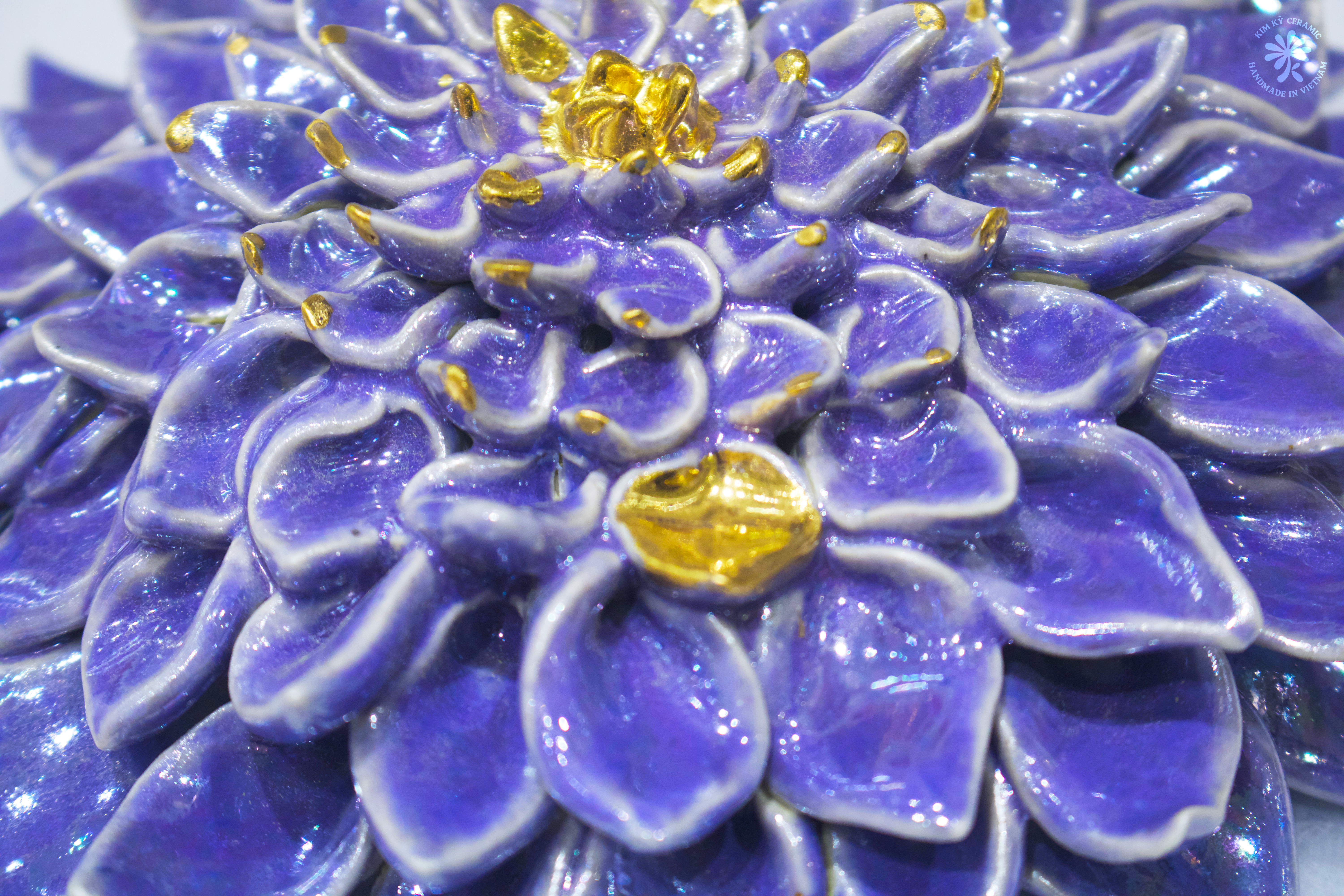
Even though ceramic is highly durable, dust that builds up in raised details, crackle-glaze lines, or small crevices can dull a piece's shine and overall appearance over time. Strong impact or poor placement is also a common cause of chipping, even on well-fired, high-quality ceramic pieces.
How To Clean Porcelain Flowers
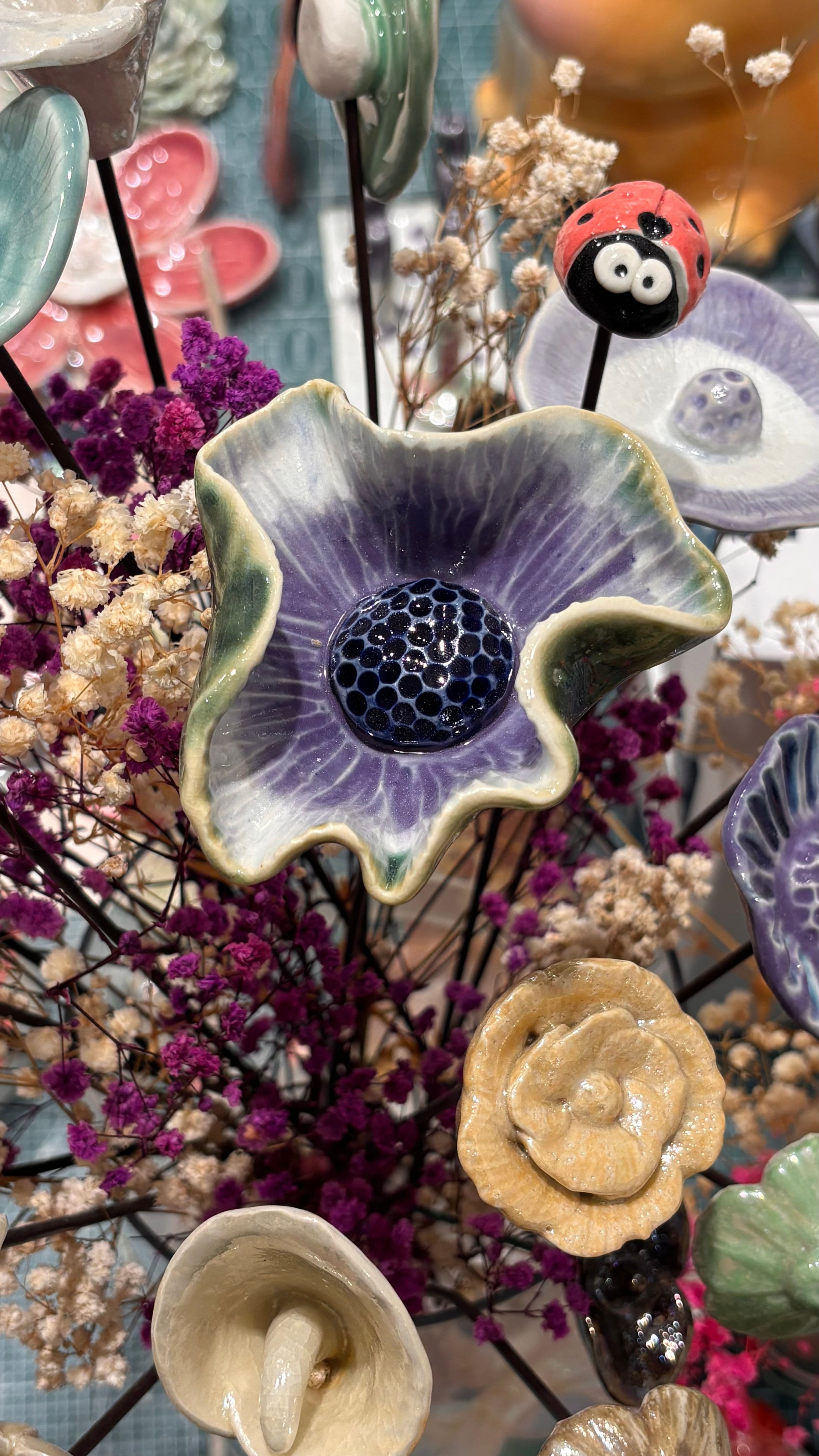
- Dust regularly — Gently wipe petals and stamens with a soft, dry or slightly damp cloth. Aim for once or twice a week to prevent long-term dust buildup.
- Rinse with water when needed — For glossy-glazed porcelain flowers, you can rinse directly under gentle running water, wipe dry with a soft cloth, and let it air-dry completely in a well-ventilated spot.
- Avoid harsh chemicals — Skip highly corrosive cleaning agents, as they can dull the glaze over time.
- Get into fine details — For flowers with many small petals, use a soft brush (an old makeup brush works well) to reach dust in tight crevices a cloth can't reach.
How To Clean Ceramic Relief Art
- Dust with a soft cloth — Clean regularly with a dry or slightly damp cloth, wiping gently along the direction of the raised details to avoid chipping sharp edges.
- Use a soft brush for deep details — For heavily textured areas (petals, leaf patterns), use a soft-bristled brush or a mini vacuum with a soft brush attachment to clean dust from recessed areas.
- Avoid scrubbing crackle-glaze lines directly — For pieces with crackle glaze, avoid rubbing hard objects directly over the cracked lines, which can push dirt deeper into the crevices.
- Don't spray water directly on wall-mounted pieces — For framed, wall-hung pieces, use a lightly damp wipe rather than spraying water directly, to protect the frame and wall.
Proper Placement And Storage
- Avoid strong impact: Place porcelain flowers in a stable spot, away from areas where children or pets might bump into them. For relief art, use a wall mount and frame rated for the piece's actual weight.
- Avoid sudden temperature changes: Keep pieces away from heaters, stovetops, or prolonged direct harsh sunlight, as sudden temperature shifts can affect the glaze over time.
- Keep in a dry, well-ventilated space: While ceramic handles moisture far better than most materials, a dry environment still helps preserve the glaze's shine longer.
- Use a non-slip pad: For porcelain flowers displayed on shelves or tables, a non-slip pad helps prevent shifting that could lead to accidental falls.
What To Avoid
- Don't use hard or sharp objects to pick out dust lodged in cracks or raised details.
- Avoid rubbing rough paper towels directly on glossy glaze, which can cause minor scratching over time.
- Don't drag pieces when moving them — lift with both hands, supporting the base or frame securely.
- Don't let relief art come into direct contact with rain if displayed in a semi-outdoor area without cover.
Frequently Asked Questions
Light dusting once or twice a week is ideal, with a deeper clean (rinsing porcelain flowers, brushing relief art) about once a month, depending on your display environment.
No, since the ceramic has already been fired and glazed, it fully withstands water. Just make sure it air-dries completely before returning it to its display spot.
Use a soft-bristled brush or a mini vacuum with a soft brush attachment for gentle cleaning. Avoid hard objects to pick out dust, as this can chip the fine details.
Clean it thoroughly before storing, wrap it in soft cloth or acid-free paper, and place it in a padded box to protect against impact during transport or long-term storage.