When it comes to the beauty of a ceramic piece, the clay body provides the structure, but it is the ceramic glaze that truly breathes life and defines its aesthetic style. Essentially a thin layer of glass fused to the clay body at high temperatures, a glaze renders the piece waterproof, enhances its durability, and creates captivating visual effects.
Below is a breakdown of the most popular ceramic glazes used in both modern and traditional craftsmanship, complete with their distinct characteristics.
1. Gloss Glaze
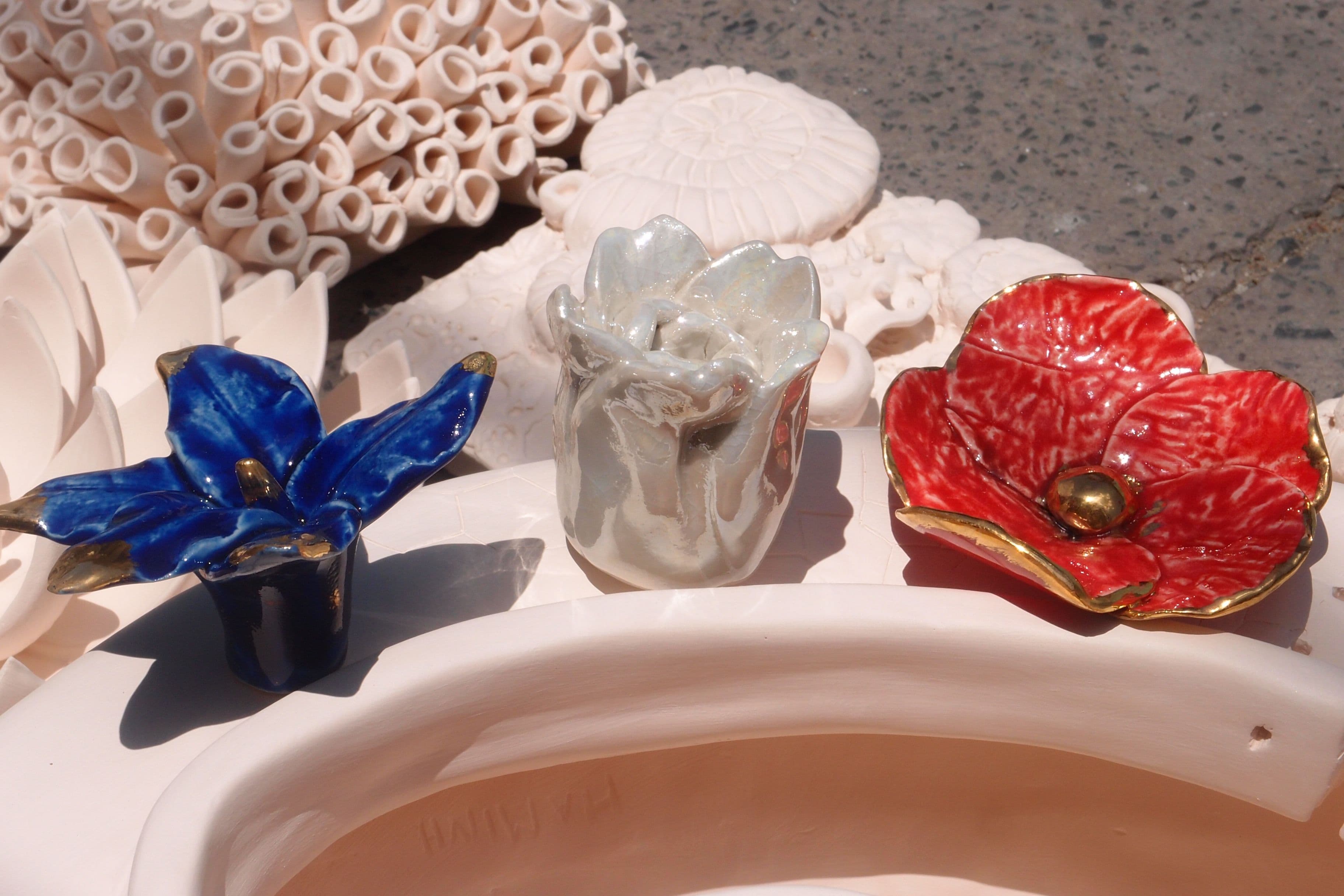
Gloss glaze is the most common finish found in everyday ceramics. It features a smooth, highly reflective surface that is exceptionally easy to clean.
- Characteristics: Shiny and luminous, highlighting the underlying clay color, painted details, and intricate forms.
- Applications: Everyday dinnerware, drinkware, and decorative wall tiles.
2. Matte Glaze
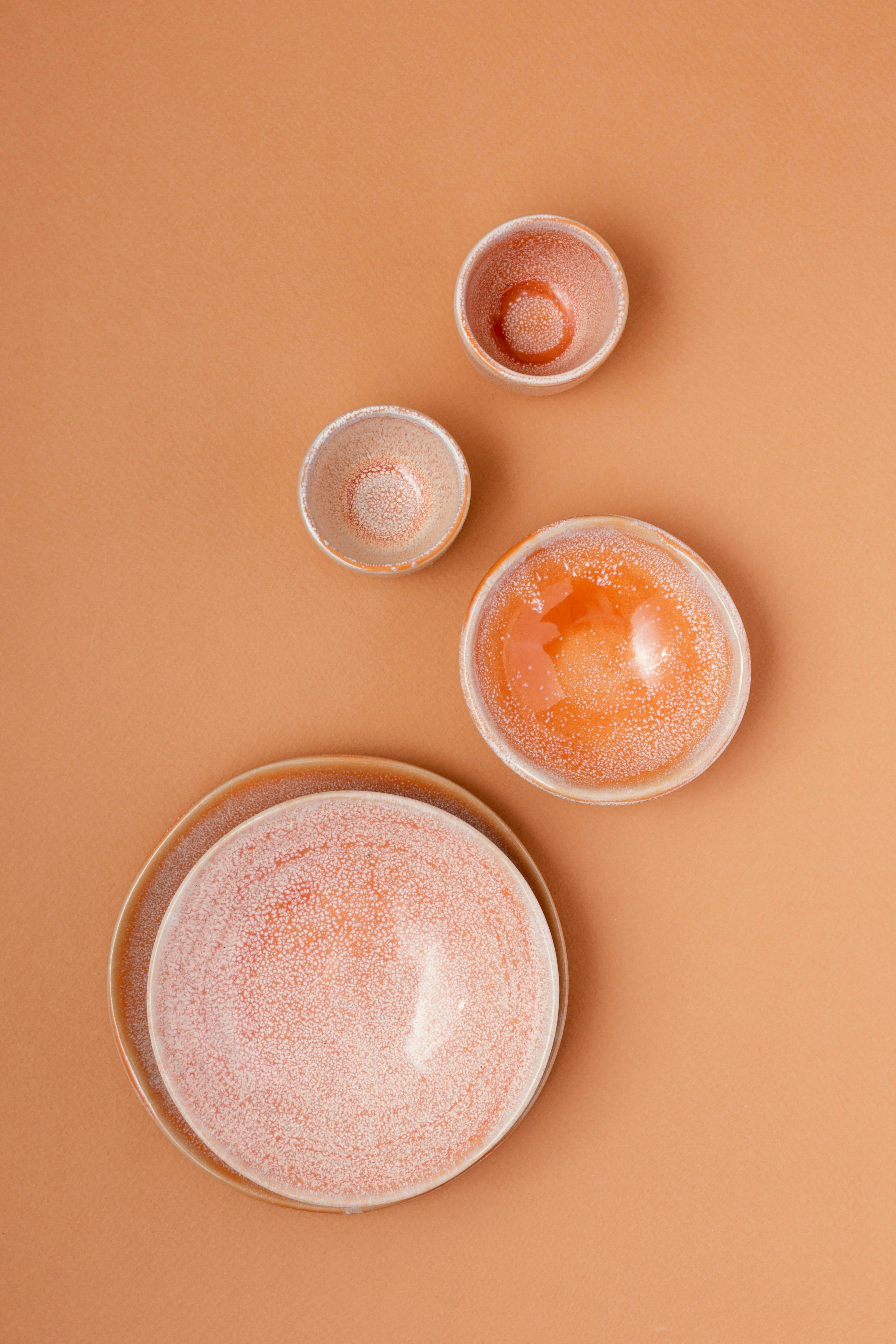
In contrast to the sheen of gloss glazes, matte glaze offers a soft, non-reflective finish that exudes a modern and minimalist feel.
- Characteristics: Completely non-glare with a smooth, velvety, or slightly textured tactile feel.
- Applications: Modern coffee mugs, decorative vases, and Scandinavian-style indoor planters.
3. Crackle Glaze
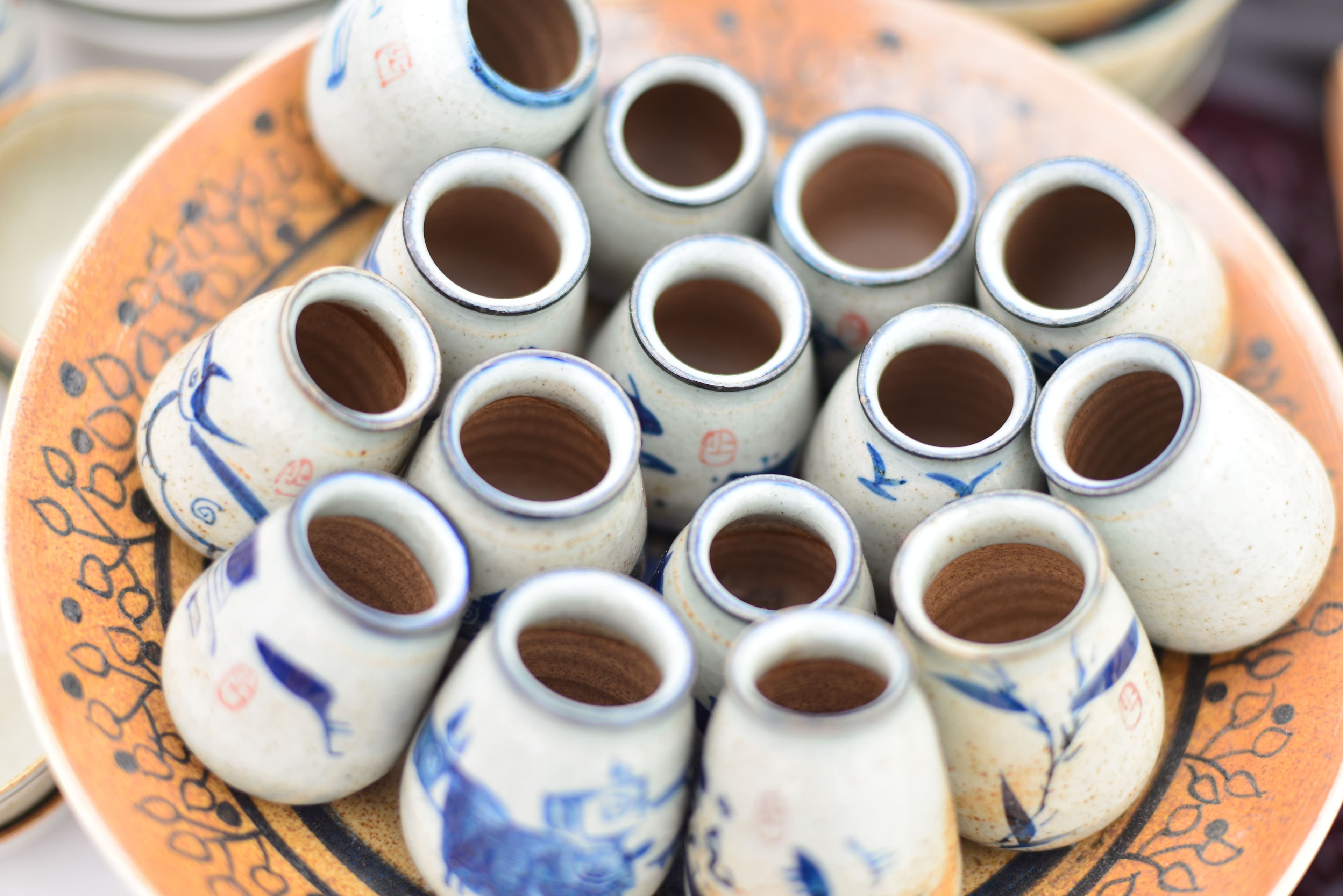
Crackle glaze is a celebrated hallmark of traditional pottery (particularly classic Vietnamese Bat Trang ceramics). Rather than a flaw, these delicate surface cracks are intentionally created by controlling the thermal expansion difference between the clay body and the glaze.
- Characteristics: Intricate network patterns resembling fish scales or spiderwebs. Artisans often rub ink or tea into the fine fissures to emphasize the antique aesthetic.
- Applications: Altar sets, traditional lime pots, and feng shui decorative pieces.
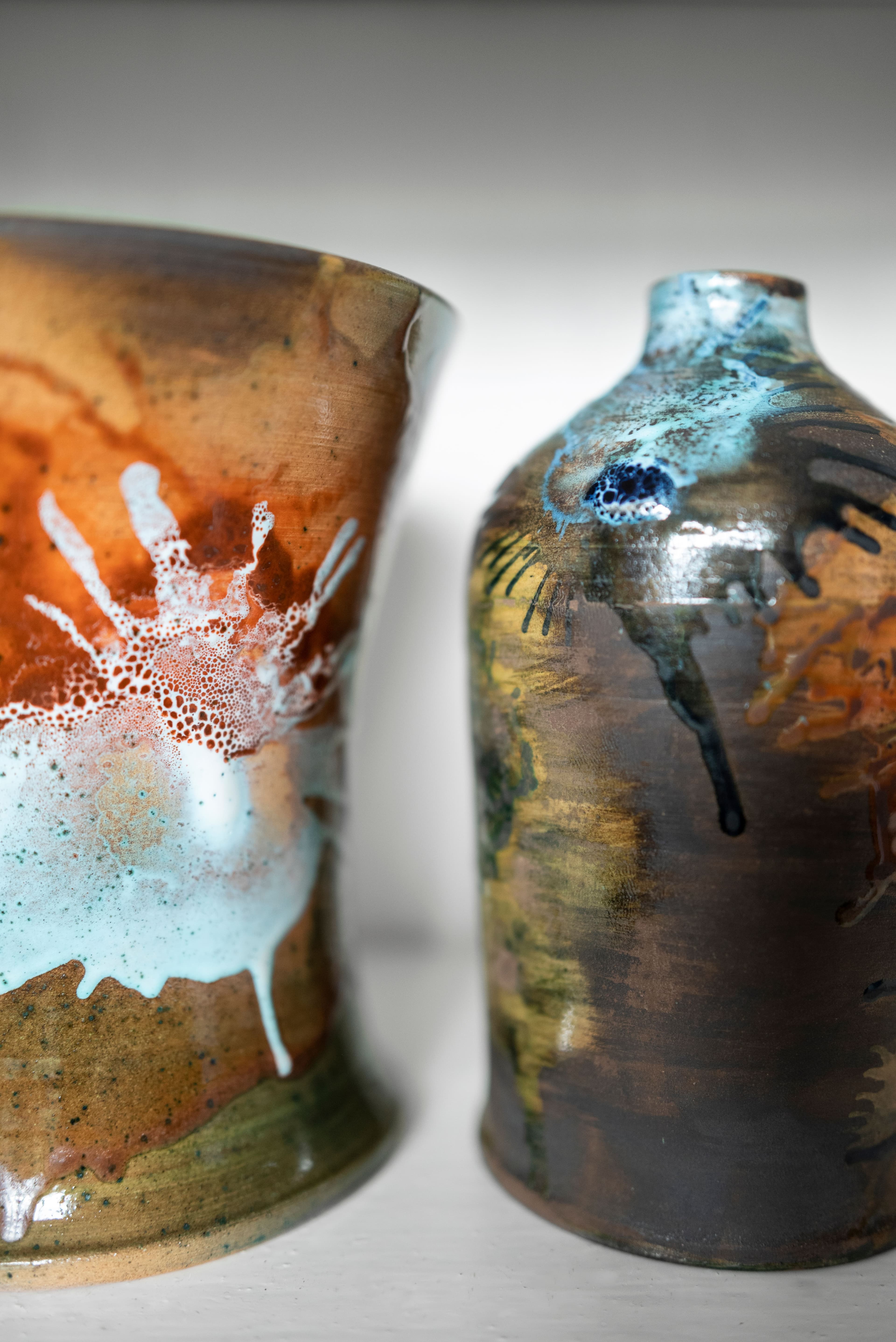
4. Reactive Glaze (Kiln-Transformed Glaze)
Often dubbed the "dance of fire," the final look of a reactive glaze is determined not by painted pigments, but by chemical reactions and temperature shifts inside the kiln.
- Characteristics: Every single piece comes out one-of-a-kind, with organic color transitions recalling clouds, flowing water, or cosmic nebulae.
- Applications: Premium tea sets, artistic vases, and ceremonial Matcha bowls.
5. Crystalline Glaze
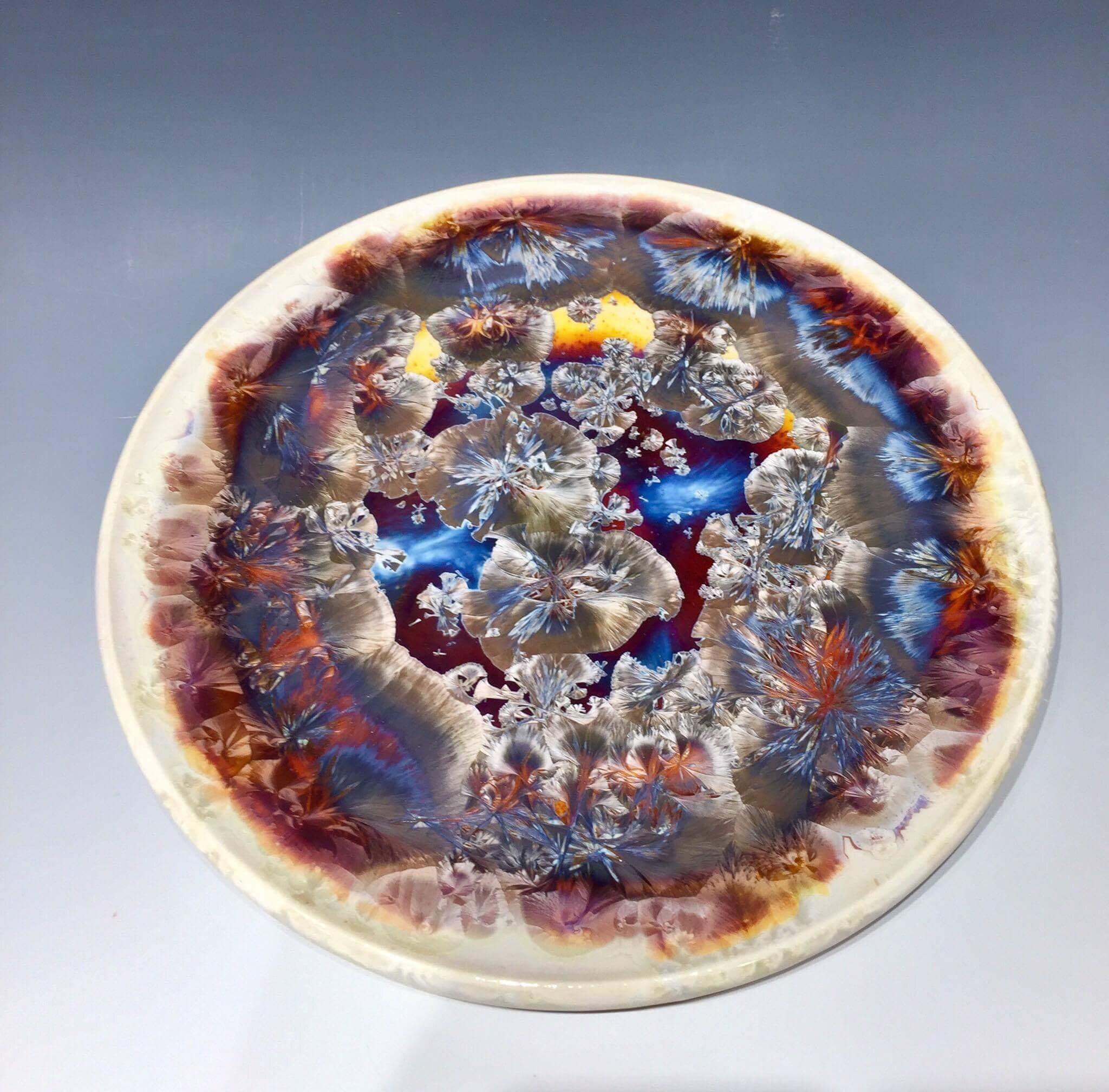
Crystalline glaze is one of the most challenging ceramic techniques to master. As the kiln cools down extremely slowly, minerals within the molten glaze naturally crystallize into stunning snowflake or flower-like formations.
- Characteristics: Visually striking crystal clusters (ranging from a few millimeters to several centimeters) blooming across the surface.
- Applications: High-end exhibition ceramics and luxury decorative centerpieces.
Each type of glaze is far more than just a functional surface coating - it is an artistic language unique to the potter's craft. From the contemporary softness of matte glaze, the timeless grace of crackle glaze, and the unpredictable beauty of reactive glaze, to the radiant splendor of crystalline glaze, these finishes turn raw clay into timeless works of art.
Understanding the unique qualities of each glaze makes it easier to select the perfect ceramic pieces for your living space and personal taste.
Kim Kỳ Ceramic takes pride in crafting handmade ceramics with meticulous care-from the raw clay body to the final glaze-inviting you to explore and connect with the authentic beauty of Vietnamese craftsmanship.
Image credits: Cover & illustrative photos from Magnific / digitalfire.com