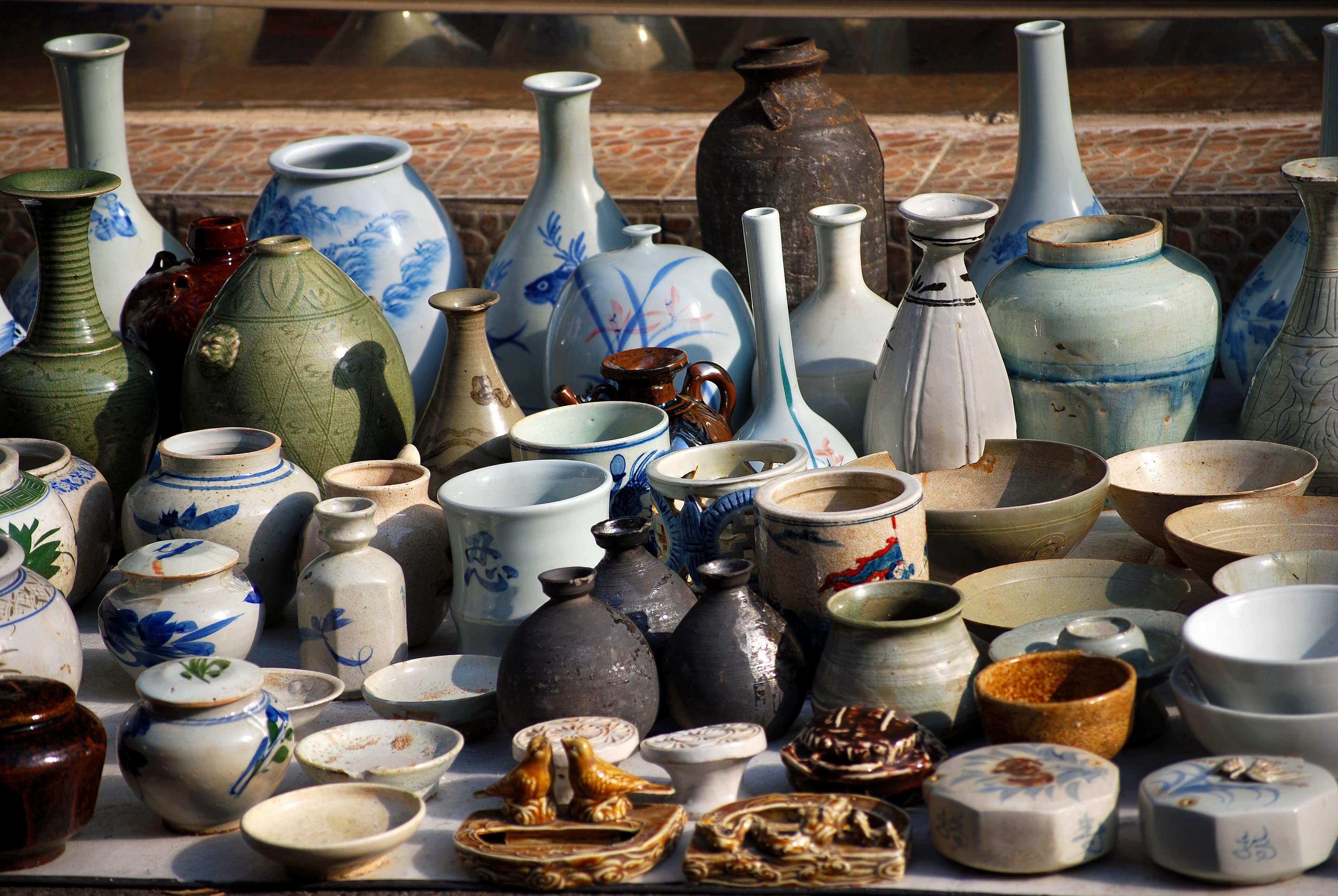
While the terms "Pottery" (Gốm) and "Porcelain" (Sứ) are often used interchangeably in the world of handicrafts, they actually represent two distinct types of ceramic materials, each with its own character, aesthetic, and production method.
1. The Core Concepts: What Are Pottery and Porcelain?
Both are born from earth and fire, yet their paths diverge significantly based on clay selection and firing:
- Pottery (Earthenware/Stoneware): This is the more broad category, generally made from coarser natural clays and fired at low to medium temperatures (800°C to 1200°C / 1472°F - 2192°F). Pottery retains a rustic charm, has a degree of natural porosity, can be thin or thick depending on craftsmanship, and is excellent at retaining heat.
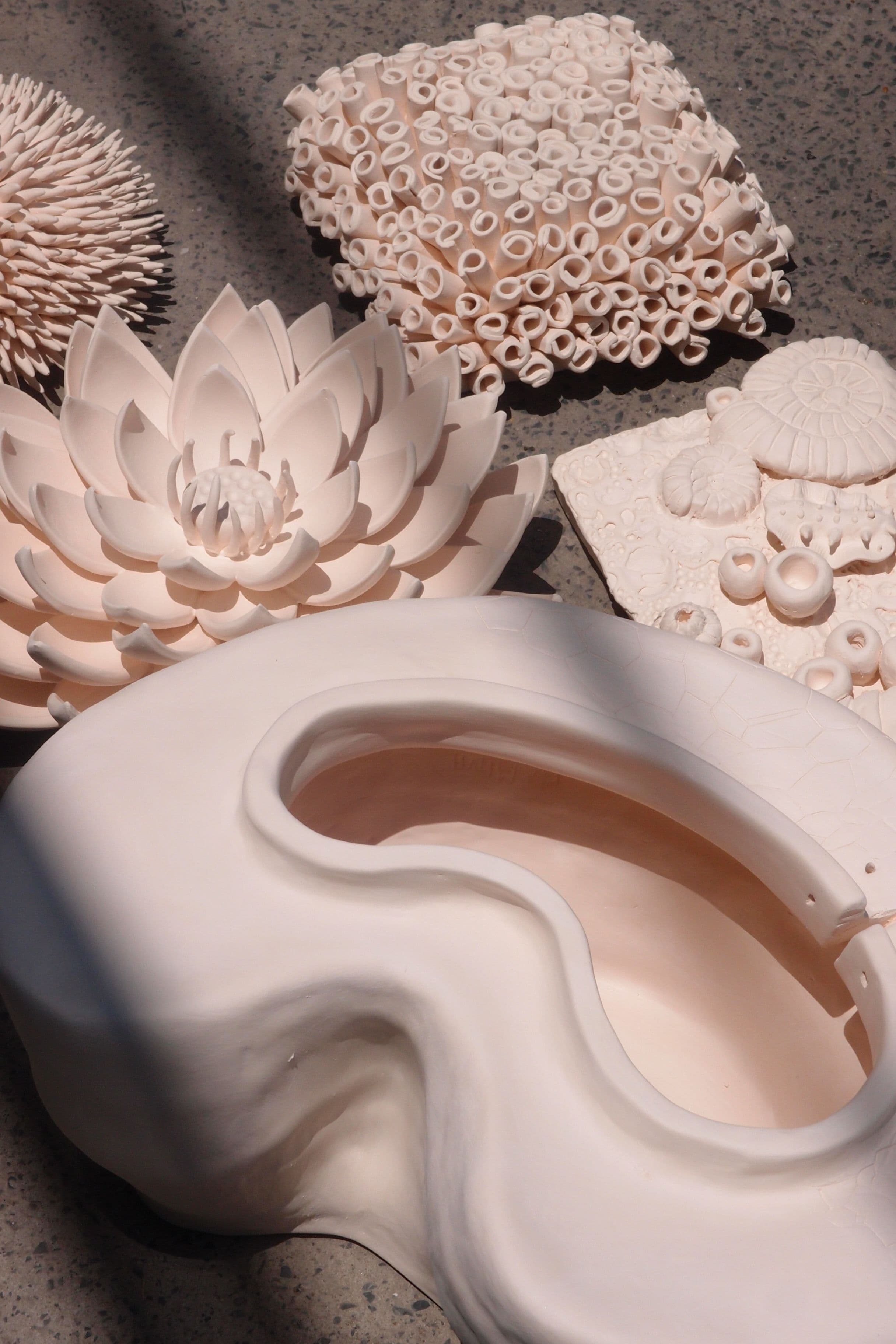
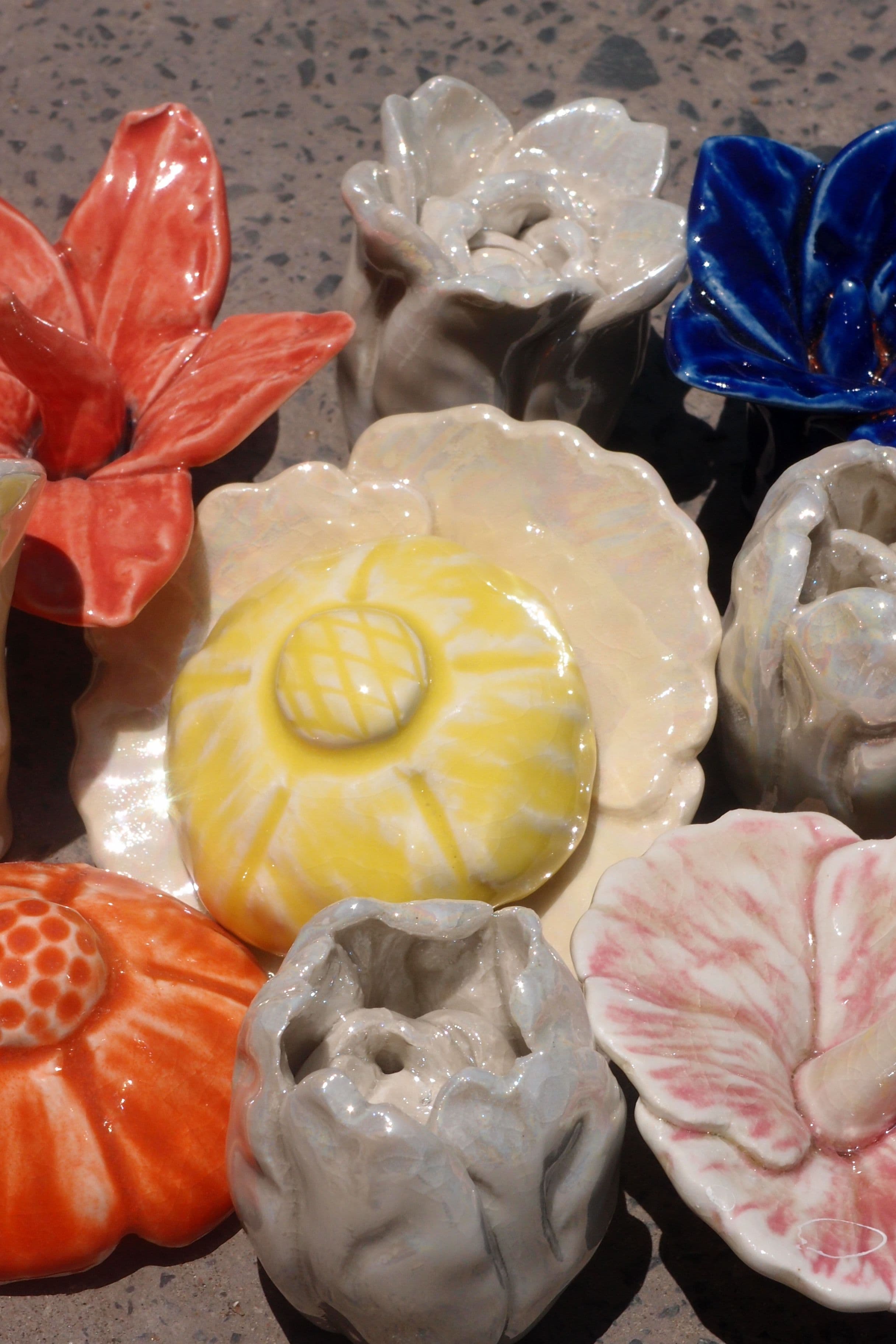
- Porcelain: This is a more advanced and refined form of ceramic, often considered the pinnacle of the art. It uses specific white clays (kaolin) combined with quartz and feldspar and is fired at very high temperatures (1200°C - 1400°C / 2192°F - 2552°F). This process results in a dense, hard, impermeable material with a characteristic translucent quality.
2. A Quick Comparison Guide
| Feature | Pottery (Earthenware / Stoneware) | Porcelain |
|---|---|---|
| Primary Material | Coarser natural clay | Refined white kaolin clay |
| Firing Temperature | 800°C - 1200°C | 1200°C - 1400°C |
| Translucency | Opaque (light does not pass through) | Translucent (light can pass through) |
| Sound When Struck | Dull, "thudding" sound | Clear, bell-like ring |
| Water Absorption | Slightly porous (1% - 5%) | Non-porous (<0.5%) |
| Aesthetic / Style | Rustic, warm, handcrafted feel | Refined, elegant, sophisticated, modern |
3. Simple Ways to Tell Them Apart (Using Your Senses)
If you're holding a piece of ceramic art and wondering which type it is, you can often distinguish them using these three simple observational methods:
Method 1: The Light Test (Translucency)
Hold the object up to a light source, or use your phone's flashlight pressed against the wall of the vessel. If it is Porcelain, light will visibly shine through the material, especially in thinner areas, creating a soft glow. Pottery, with its coarser clay and greater thickness, will completely block the light.
Method 2: The Sound Test
Gently strike the rim or body of the piece with your fingernail or a small, hard object:
- Porcelain: Produces a clear, resonant, bell-like ring that lingers.
- Pottery: Produces a duller, lower-pitched sound.
Method 3: Observe the Base (Foot Ring)
Look at the unglazed area of the foot, where the piece rested in the kiln:
- If the exposed clay is coarse, slightly rough, and shows natural tones like reddish-brown, buff, or grey -> Pottery.
- If the exposed clay is exceptionally smooth, fine-grained, and bright white or creamy white -> Porcelain.
Both pottery and porcelain have their own unique "soul" and purpose. Pottery offers warmth, history, and a connection to the earth, while porcelain represents perfection, elegance, and sophistication. Neither is "better"; the choice simply depends on your personal taste, lifestyle, and the space you wish to create.
At Kim Kỳ Ceramic, we select only the finest examples of both pottery and porcelain, honoring the beauty of the earth and the skill of the artist. Whether you are looking for a rustic centerpiece or a delicate, light-filled decorative piece, we are here to help you elevate your home.