
Popular Ceramic Glazes For Porcelain Flowers
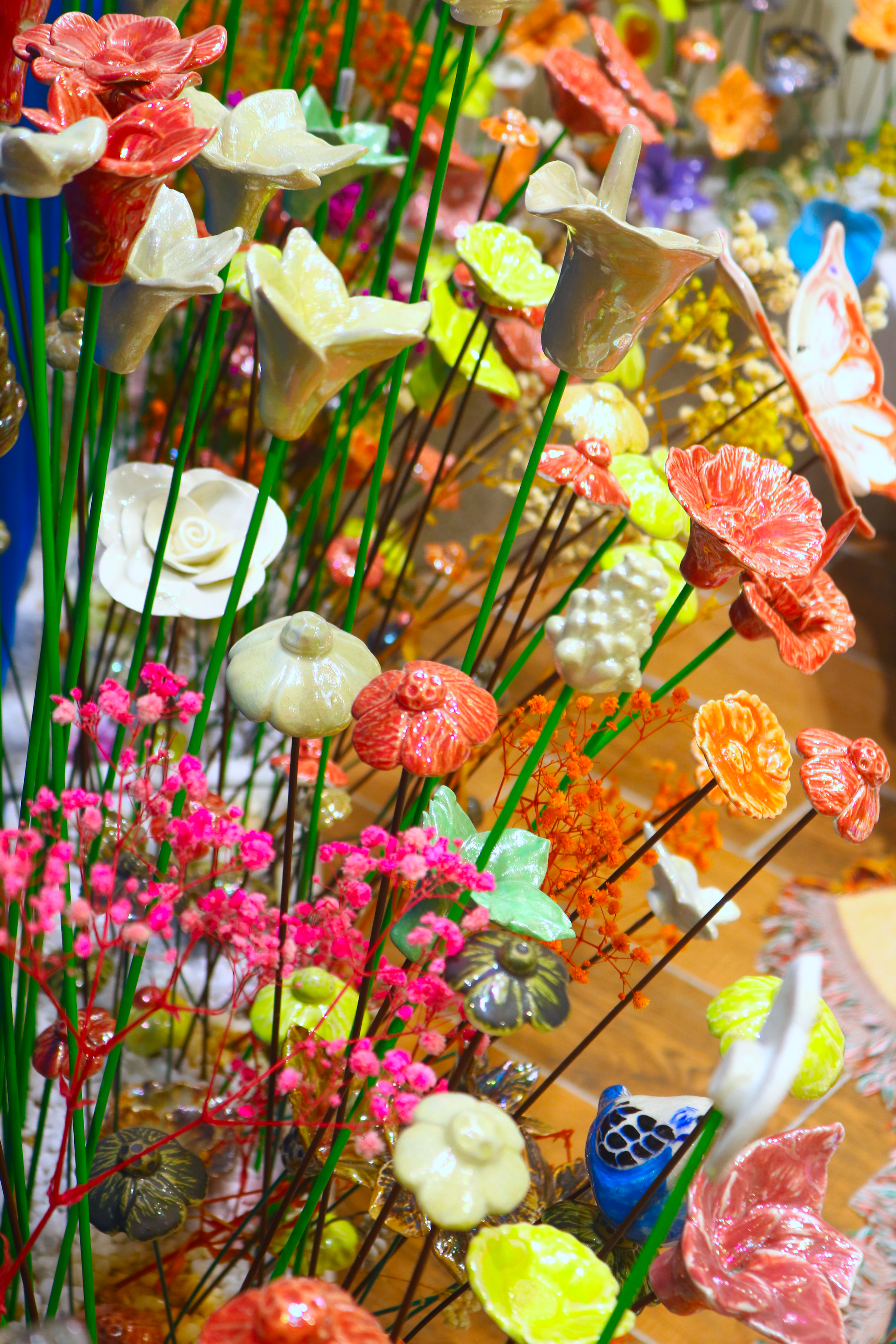
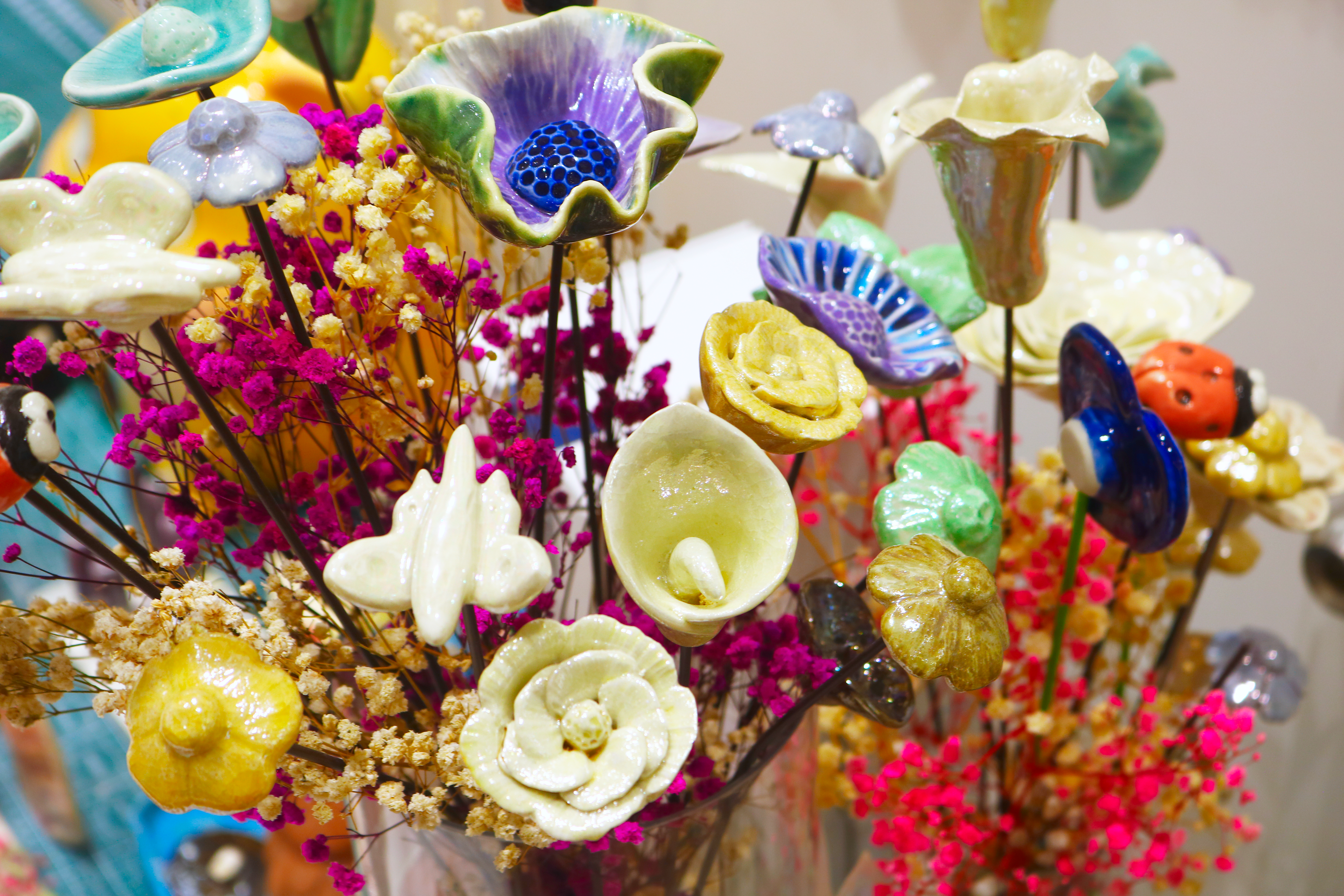
From classic crackle glaze and unpredictable flambé glaze to vibrant glossy glaze - each glaze type carries its own story and visual effect for porcelain flowers and relief ceramic art. Join Kim Ky Ceramic as we explore the characteristics of each glaze and how to choose the right one for your space.
Images in this article were taken by Kim Ky Ceramic, with some processed/enhanced using Mignific.
Ceramic glaze is the vitrified coating applied to a piece's surface before firing, and it determines the color, shine, and even the "soul" of a porcelain flower or relief ceramic artwork. Each type of glaze produces its own visual effect and technical character - from classic crackle glaze, to the unpredictable beauty of flambé glaze, to the elegant shine of glossy glaze. This guide breaks down the characteristics of each popular glaze type and how they're used in ceramic art.
What Is Ceramic Glaze, And Why Does It Matter?
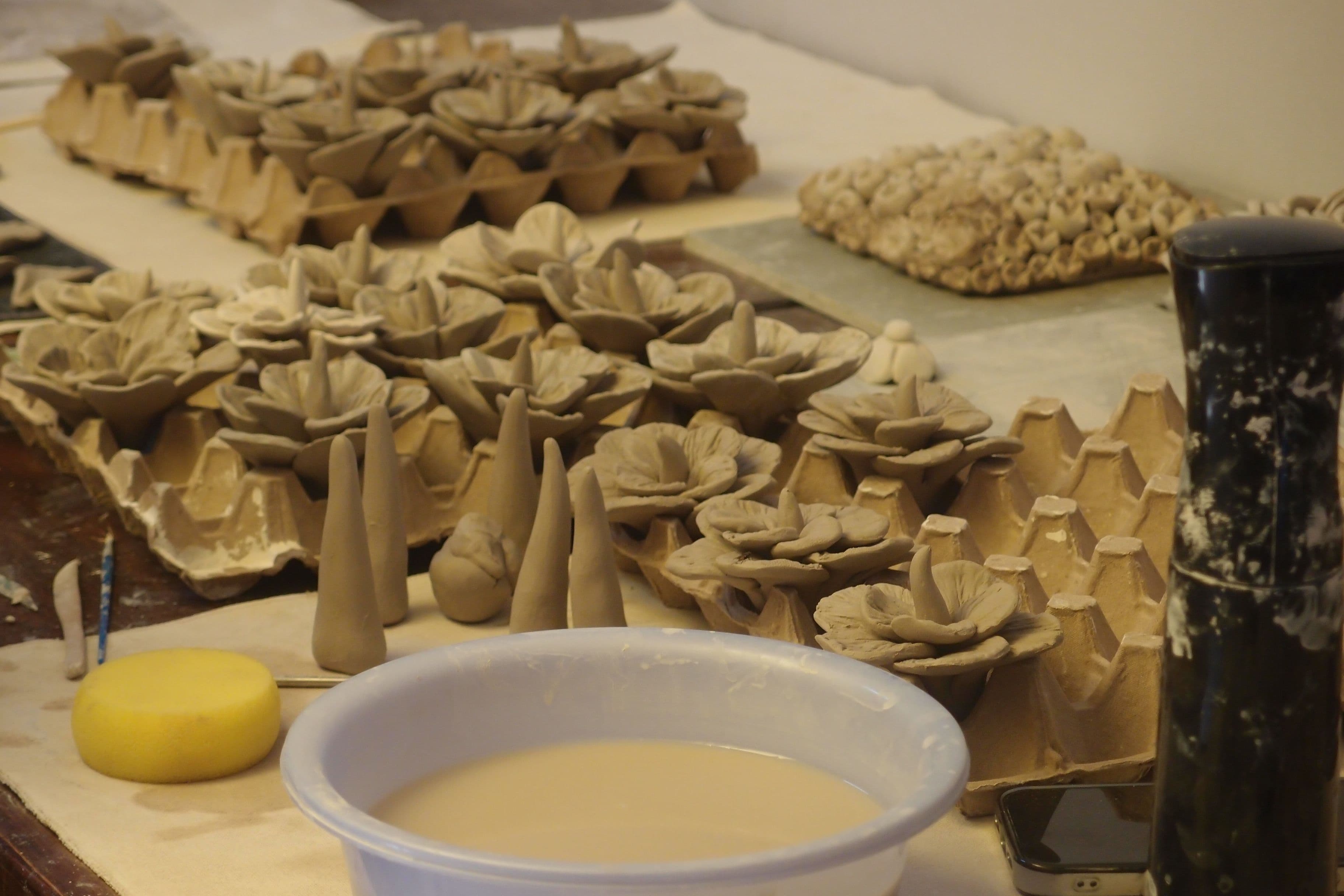
Ceramic glaze is a mineral mixture - typically silica, metal oxides for color, and flux agents - applied to the surface of a bisque-fired piece, then fired at high temperature to form a glass-like layer bonded to the ceramic body. Beyond protection and water resistance, glaze directly shapes the color, shine, and overall aesthetic value of a piece.
For porcelain flowers and relief ceramic art, choosing the right glaze also affects how light reflects off raised, three-dimensional details - different glazes create different depth and visual effects, even on the exact same design.
Crackle Glaze
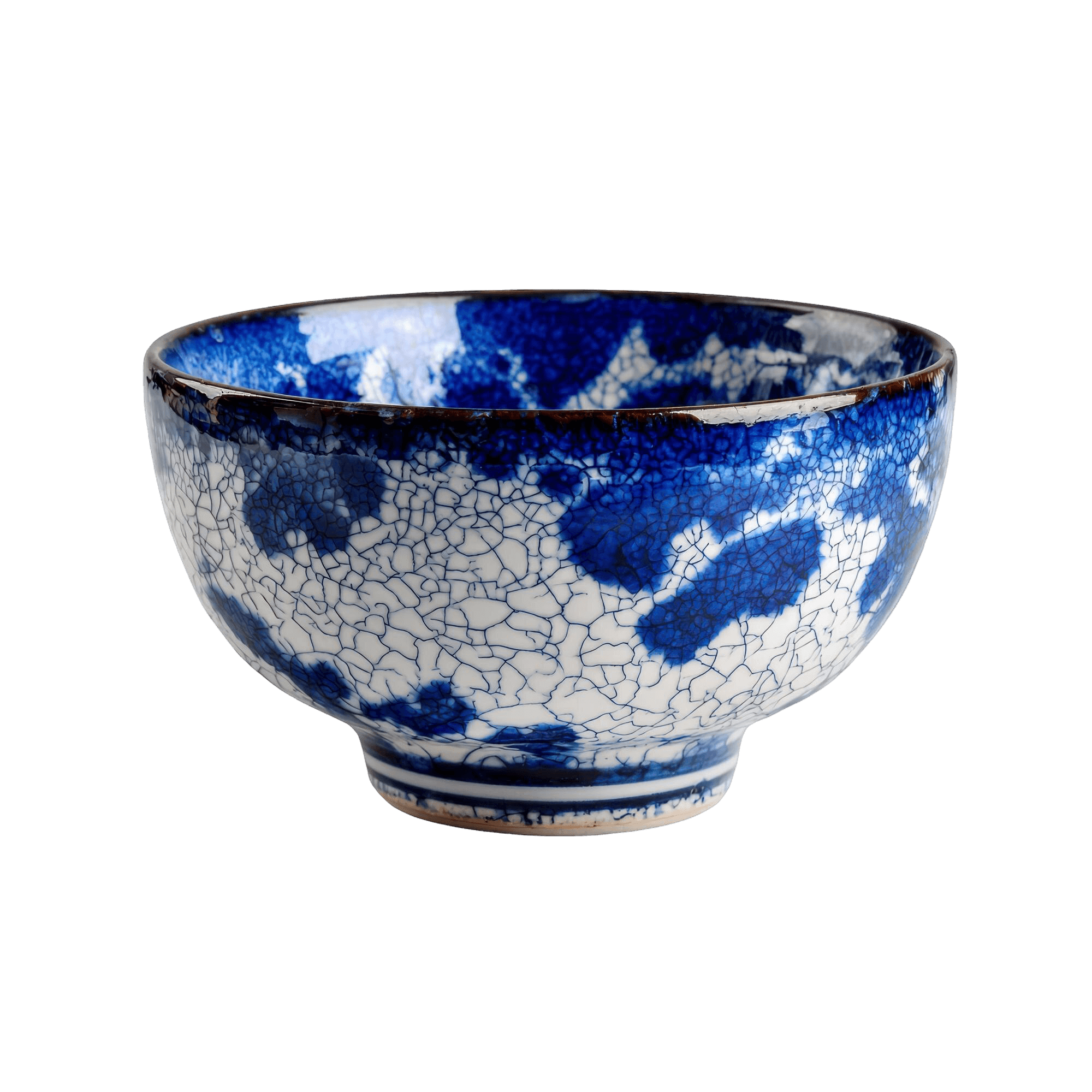
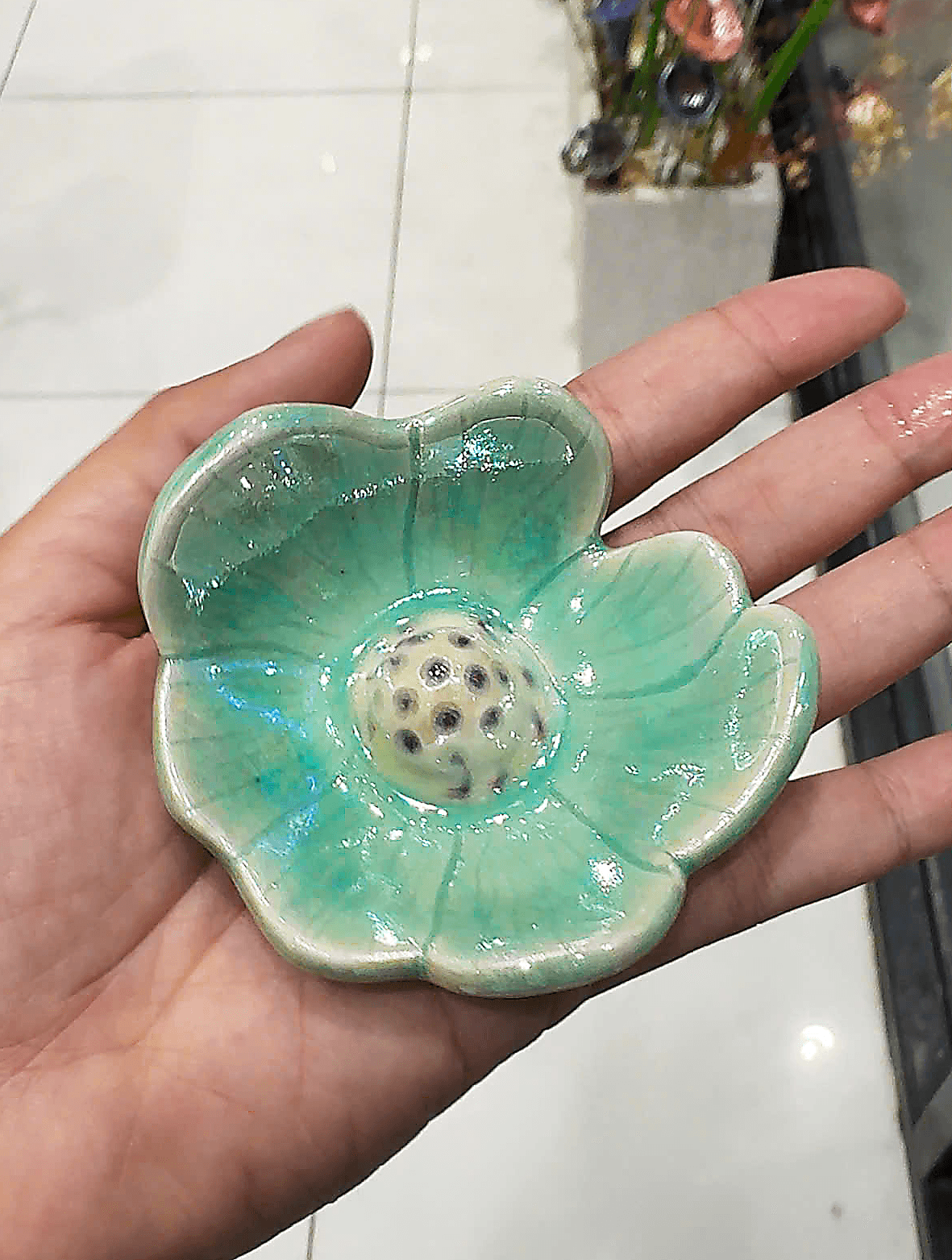
Characteristics: Crackle glaze forms fine, naturally occurring cracks across the surface, caused by the difference in expansion and contraction between the glaze layer and the ceramic body as it cools after firing. These cracks aren't a flaw - they're an intentional aesthetic effect that gives the piece a classic, nostalgic beauty.
Use in porcelain flowers & relief art: Crackle glaze is commonly used for pieces with a classic, heritage-inspired look - giving the impression of an aged, storied ceramic piece. It suits traditional or neoclassical living rooms and altar spaces well.
Worth noting: The cracked texture can collect dust or develop slight discoloration over time if not cleaned properly - though this is also what gives crackle-glazed pieces their sense of depth and history.
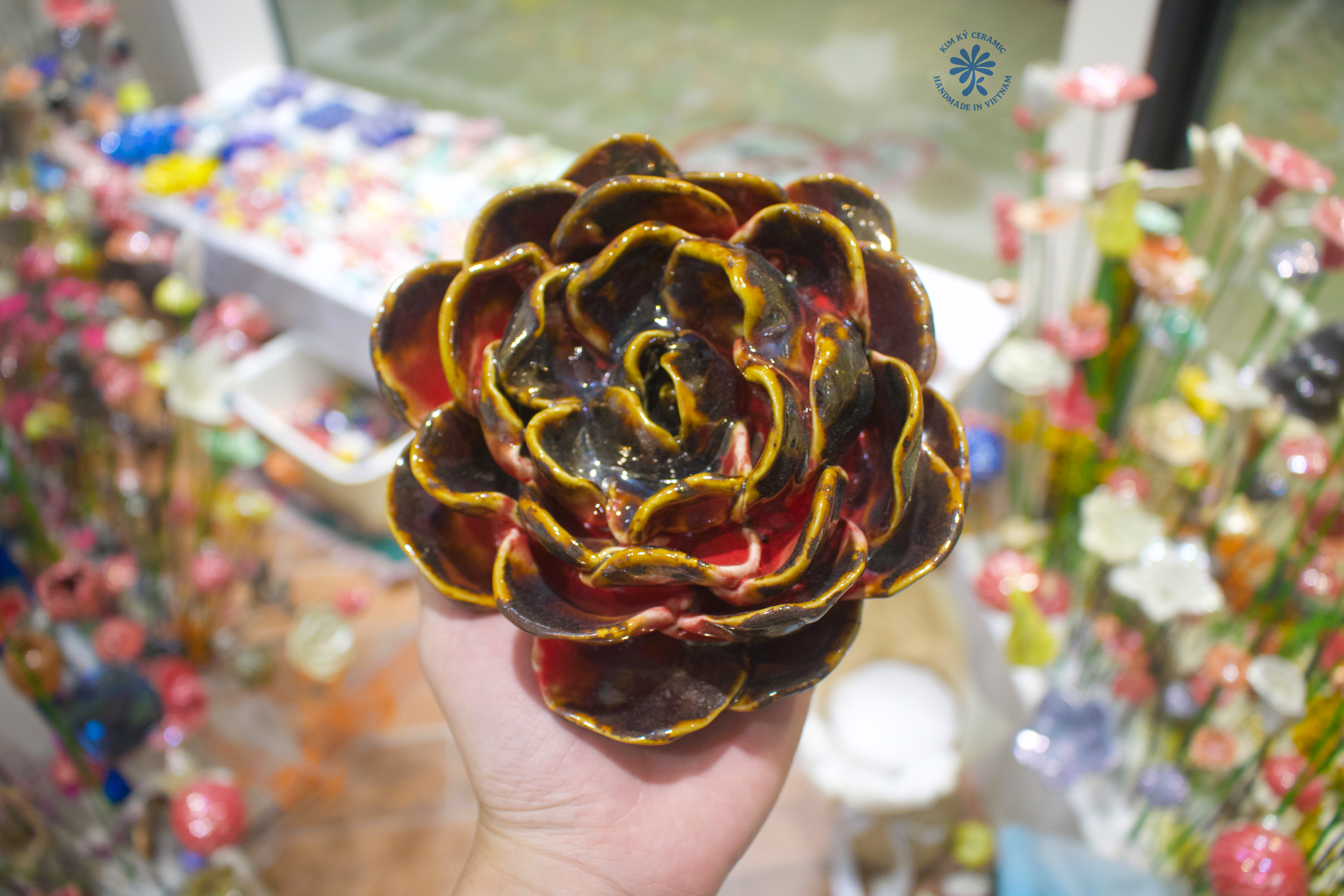
Flambé Glaze
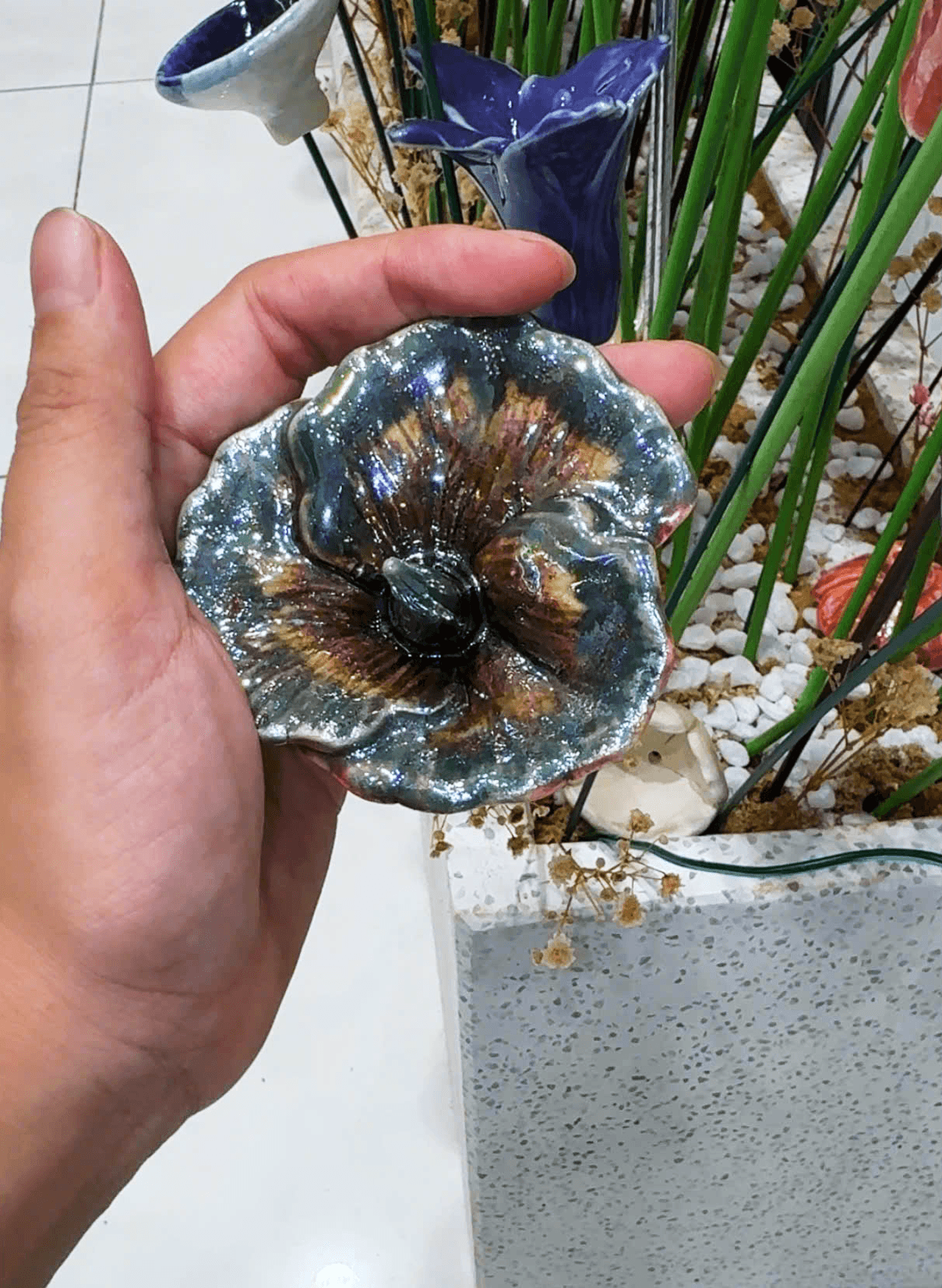
Characteristics: Flambé glaze (also called transmutation glaze) is a special glaze type that produces random, multi-toned color shifts on a single piece, resulting from complex chemical reactions among metal oxides during high-temperature firing. No two flambé-glazed pieces are ever exactly alike - each one is a one-of-a-kind result determined by "the fire itself."
Use in porcelain flowers & relief art: Ideal for highly expressive, artistic relief pieces - the natural color-blending effect enhances the depth of raised details, creating a striking focal point for modern or luxurious spaces.
Worth noting: Because of the glaze's inherent randomness, customers placing custom orders should understand that the final color may differ slightly from a reference sample - this is precisely what gives flambé-glazed pieces their unique, one-of-a-kind value, not a product defect.
Glossy Glaze
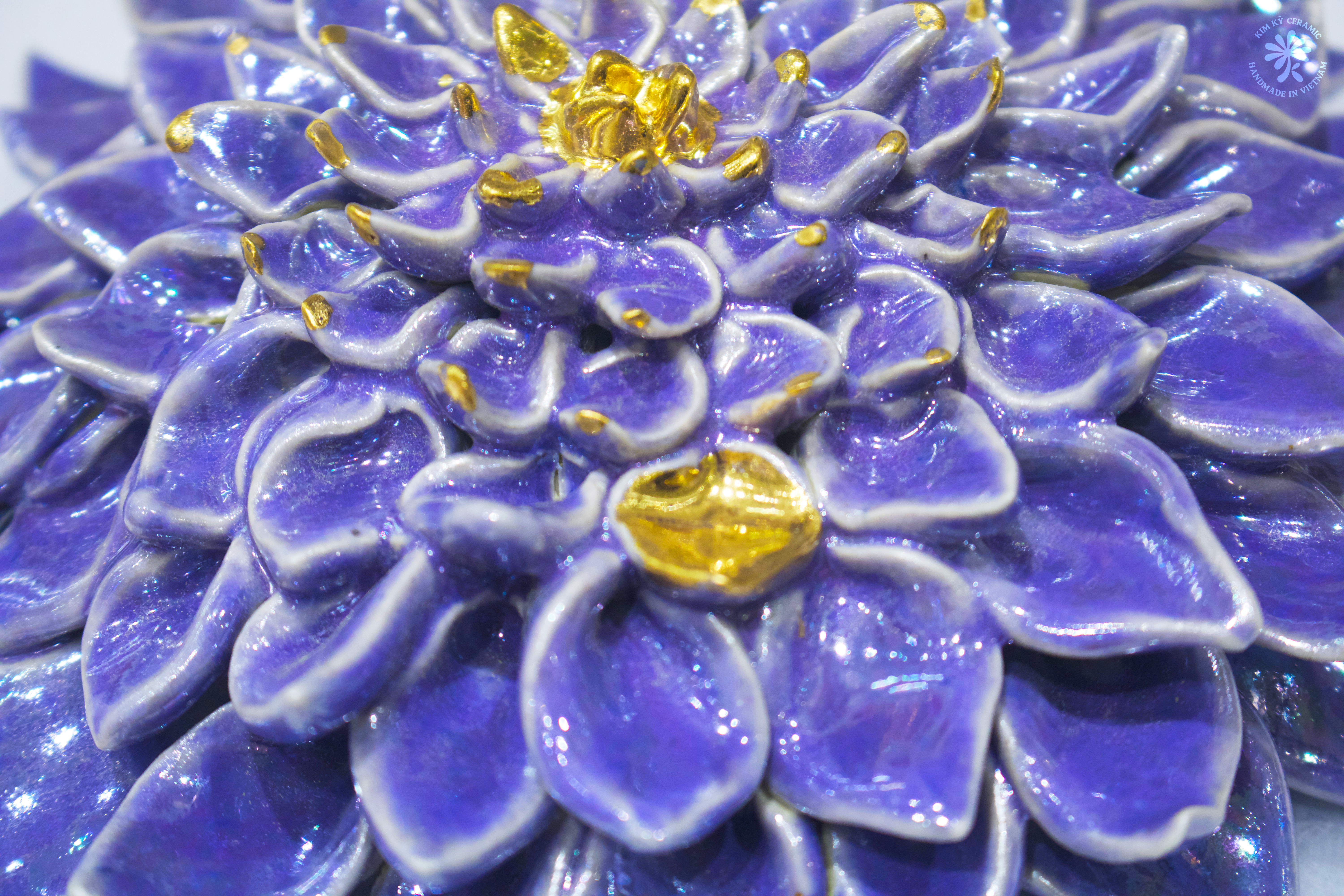
Characteristics: Glossy glaze creates a smooth, light-reflective surface that renders colors vividly and accurately. It's the most common and versatile glaze used in fine ceramic production.
Use in porcelain flowers & relief art: Often used for porcelain flowers that need bright, true-to-life color (such as pink lotus or yellow apricot blossoms), or for modern, vibrant relief art pieces suited to youthful, energetic spaces.
Worth noting: Glossy surfaces show fingerprints and dust more easily than matte glaze, so regular cleaning helps maintain the shine.
Other Common Glaze Types
- Matte glaze: A surface with minimal light reflection, offering a refined, modern, minimalist look, well-suited to minimalist decor styles.
- Celadon glaze: A distinctive jade-green tone reminiscent of ancient ceramics, often used for artistic, elegant pieces.
- Ivory glaze: A soft, neutral cream tone that pairs easily with a wide range of interior styles.
How To Choose The Right Glaze For Your Space
- Classic or neoclassical spaces: Crackle or celadon glaze brings a nostalgic, elegant feel.
- Modern, minimalist spaces: Matte or ivory glaze offers a refined, understated look.
- Spaces that need a bold artistic focal point: Flambé glaze makes a striking centerpiece.
- Pieces that need bright, vivid color: Glossy glaze is the optimal choice, especially for colorful porcelain flowers.